KEYNOTE SPEAKERS
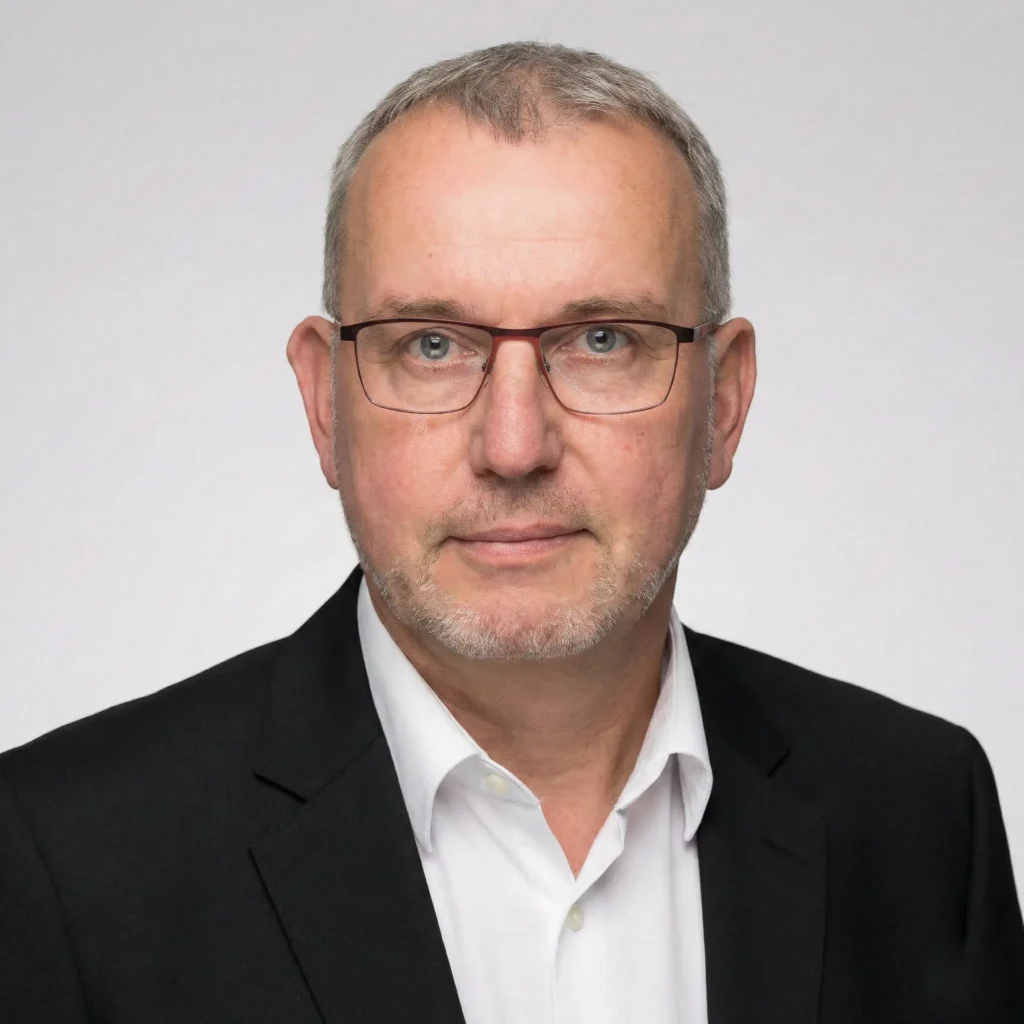
Prof. Laurent Gentzbittel
Laurent Gentzbittel is a Professor of Molecular and Quantitative Genetics, specializing in plant breeding and the seed industry. His work focuses on the design of breeding programs and data-driven tools to enhance genetic gain, quantify phenotypic plasticity, and track micro-evolution in crops (and occasionally livestock). He has extensive expertise in genomics, field phenotyping, statistics, and bioinformatics, and serves as an international consultant in plant breeding and quantitative genetics.
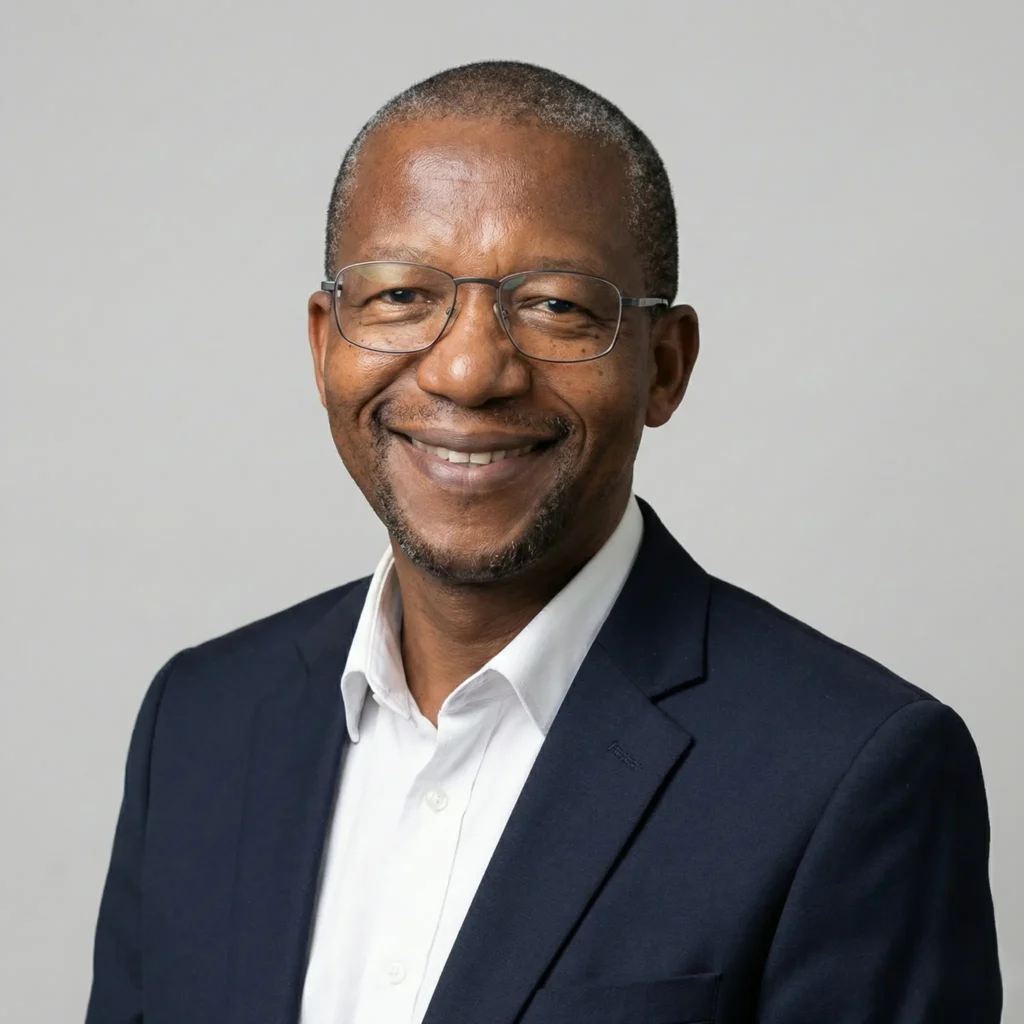
Prof. Ndomelele Ndiko Ludidi
Prof. Ndomelele Ndiko Ludidi has served as Dean of the Faculty of Agriculture and Natural Sciences (FANS) at the University of Mpumalanga (UMP) since 1 January 2024. He is also an Adjunct Professor in the Department of Biotechnology at the University of the Western Cape for the period 1 April 2024 to 31 March 2027. Prior to joining UMP, he was a Professor of Biotechnology at the University of the Western Cape, South Africa. He is an established researcher (NRF rating C2, valid until December 2025) with expertise in plant molecular biology, plant physiology, and biochemistry. He also has extensive university-level teaching experience in biochemistry, plant biotechnology, and plant physiology.
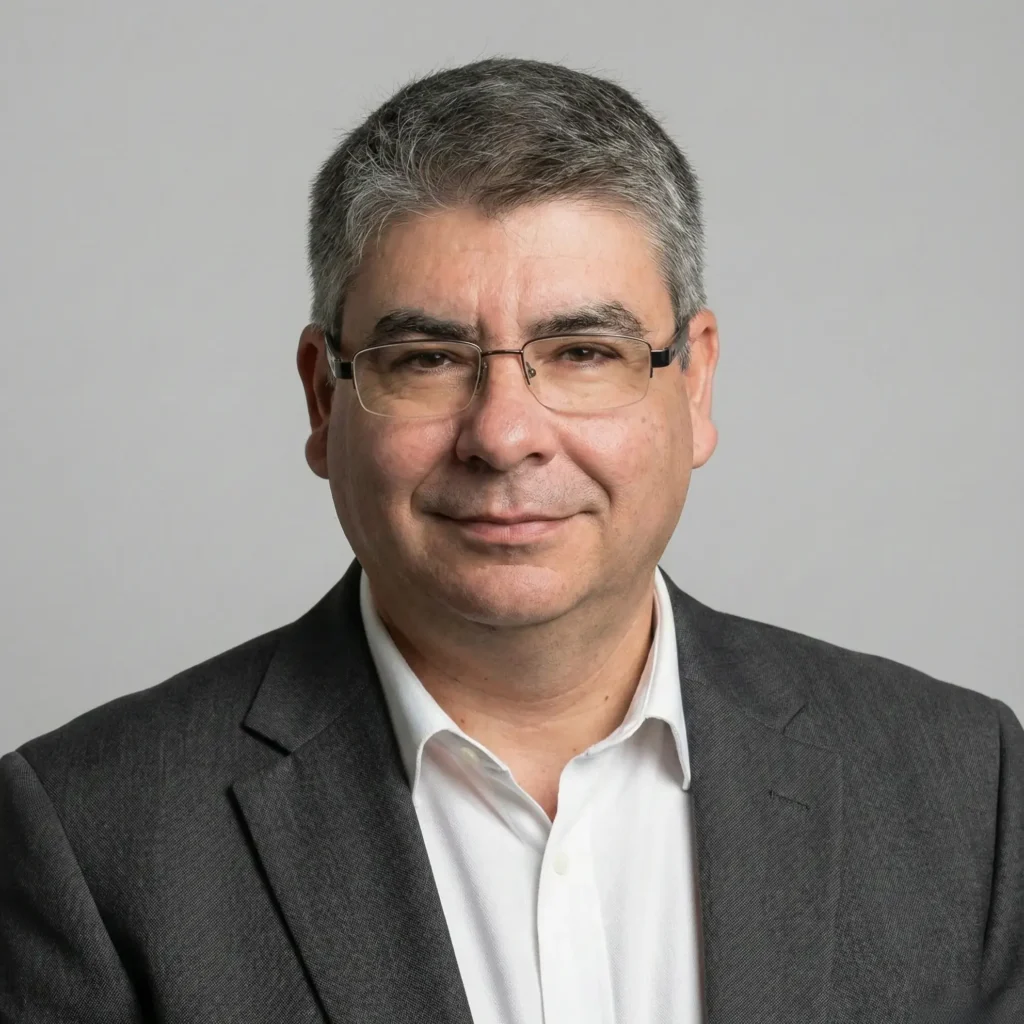
Prof. Ricardo Molina
Prof. Ricardo Molina holds a PhD in Applied Physics (2002) and has extensive experience in atmospheric plasma technologies. After working on plasma reactor design and surface modification processes, his research has shifted toward agricultural applications of non-thermal plasmas. His current work focuses on plasma-based strategies to improve seed performance under stress conditions, as well as on the removal of pesticides and other agrochemicals from water, contributing to sustainable agricultural practices. He is the group leader of Plasma Chemistry Group in the Department of Biological Chemistry, at the Institute for Advanced Chemistry of Catalonia (IQAC), Barcelona, Spain.
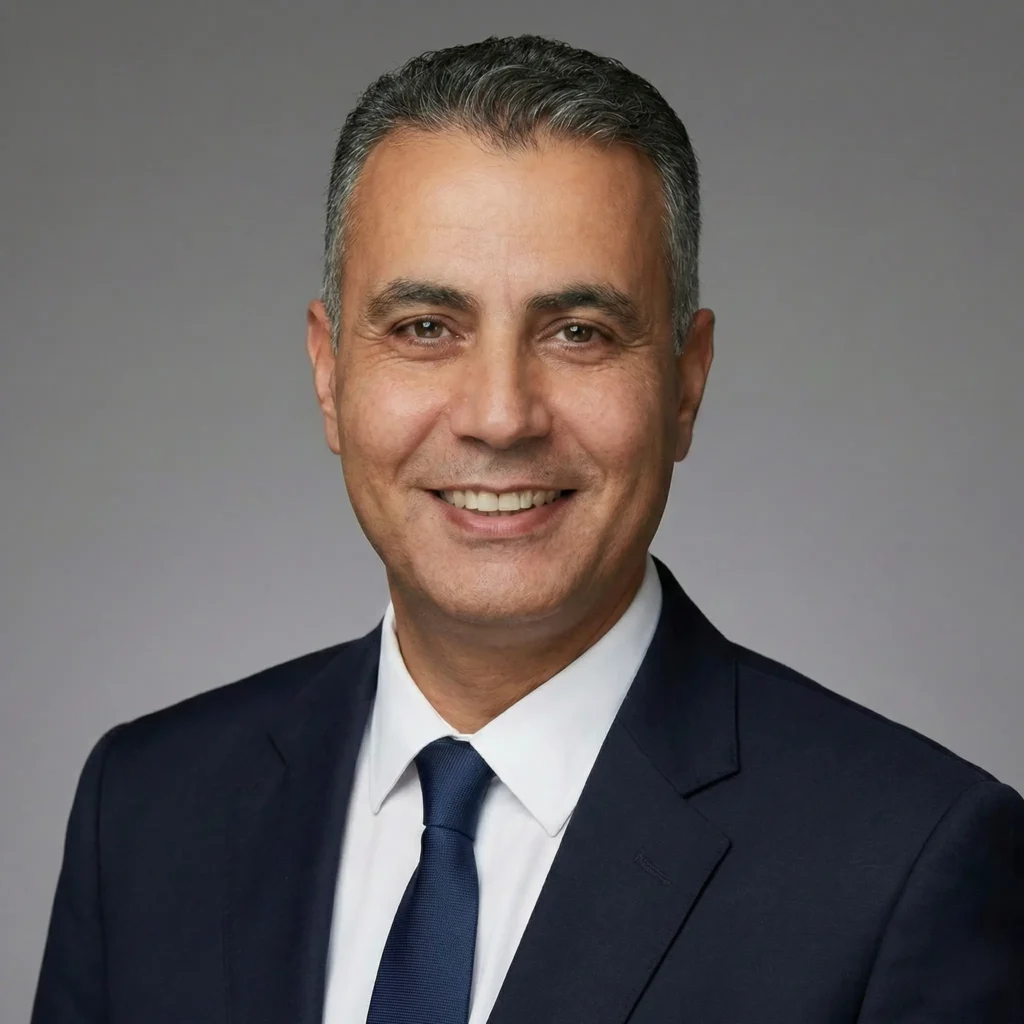
Prof. Béchir Ben Nouna
Prof. Béchir Ben Nouna is a senior researcher and Director General of the Regional Field Crop Research Center of Béja (CRRGC-Béja), Tunisia. His research focuses on the design, evaluation, and optimization of efficient irrigation systems for field crops in water-scarce and climate-vulnerable environments. He integrates advanced irrigation technologies, performance assessment, and data-driven decision-support tools to enhance water productivity and agricultural sustainability, particularly in Mediterranean and semi-arid regions.
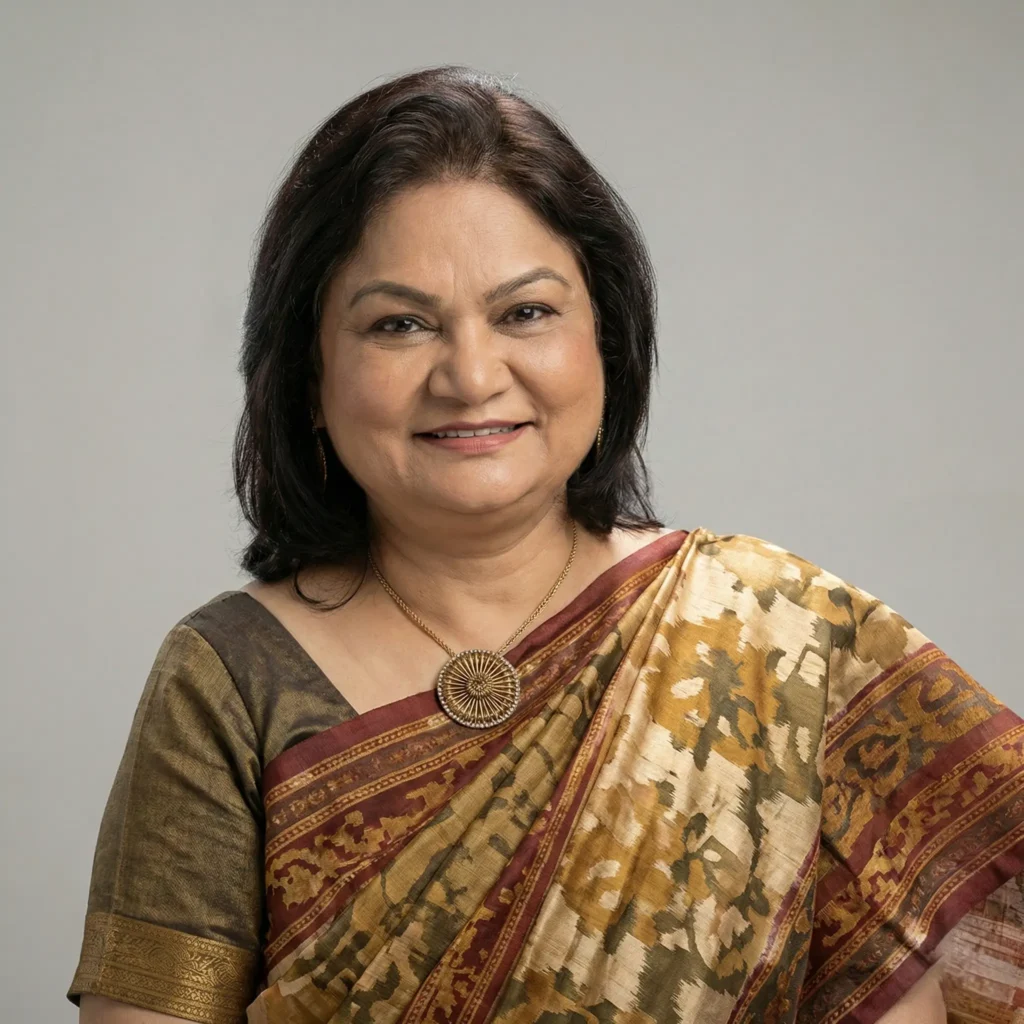
Prof. Nutan Kaushik
Prof. Nutan Kaushik, Ph.D., FRSC, earned her Ph.D. in Agricultural Chemicals from the Indian Agricultural Research Institute, New Delhi, and has over 25 years of research experience. She has worked on metabolomics at UC Davis and received professional training in IPM and food safety through fellowships from Michigan State University and Wageningen University. Her research focuses on analytical chemistry, metabolomics, natural product chemistry, botanical pesticides, pesticide residue analysis, and pest management. She has developed pest management modules for rice, sugarcane, and vegetables, contributed to the development of the Bollcure biopesticide, and produced nutritionally superior lines of Brassica species. Prof. Kaushik maintains extensive international collaborations and contributes to sustainable agricultural policy planning in India.
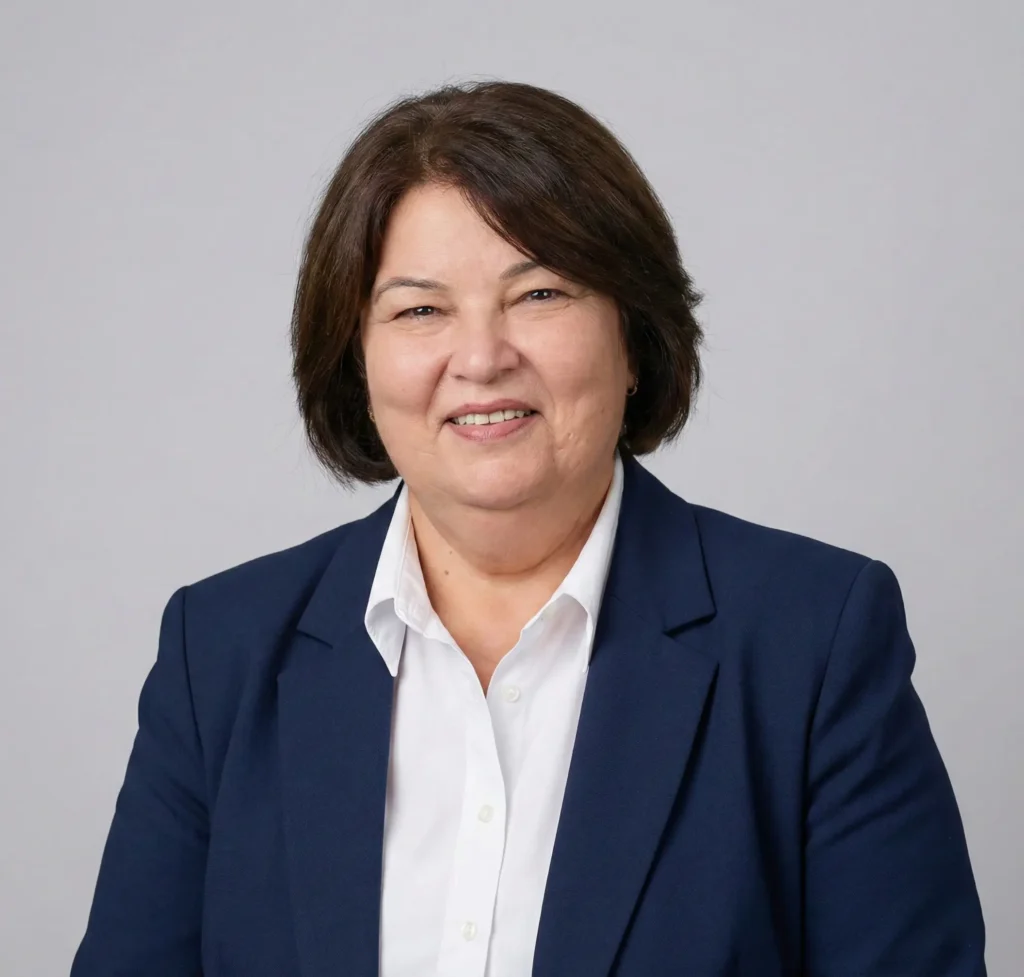
Prof. Asma Laarif
Prof. Asma Laarif is a specialist in insect ecology, biology, and pest management, with extensive expertise in monitoring and controlling key agricultural pests, including Bemisia tabaci, Tuta absoluta, Spodoptera littoralis, and stored grain insects. Her research focuses on biological control using microorganisms (baculoviruses, bacteria) and botanicals (plant extracts and essential oils), integrated pest management for vegetables and fruits, and laboratory insect rearing. She is skilled in insect genetics, molecular and biochemical techniques (PCR, ELISA, sequencing), bacteriological and virological methods, bioinformatics, microscopy, and applied biostatistics, with broad experience in research, data analysis, and scientific applications.
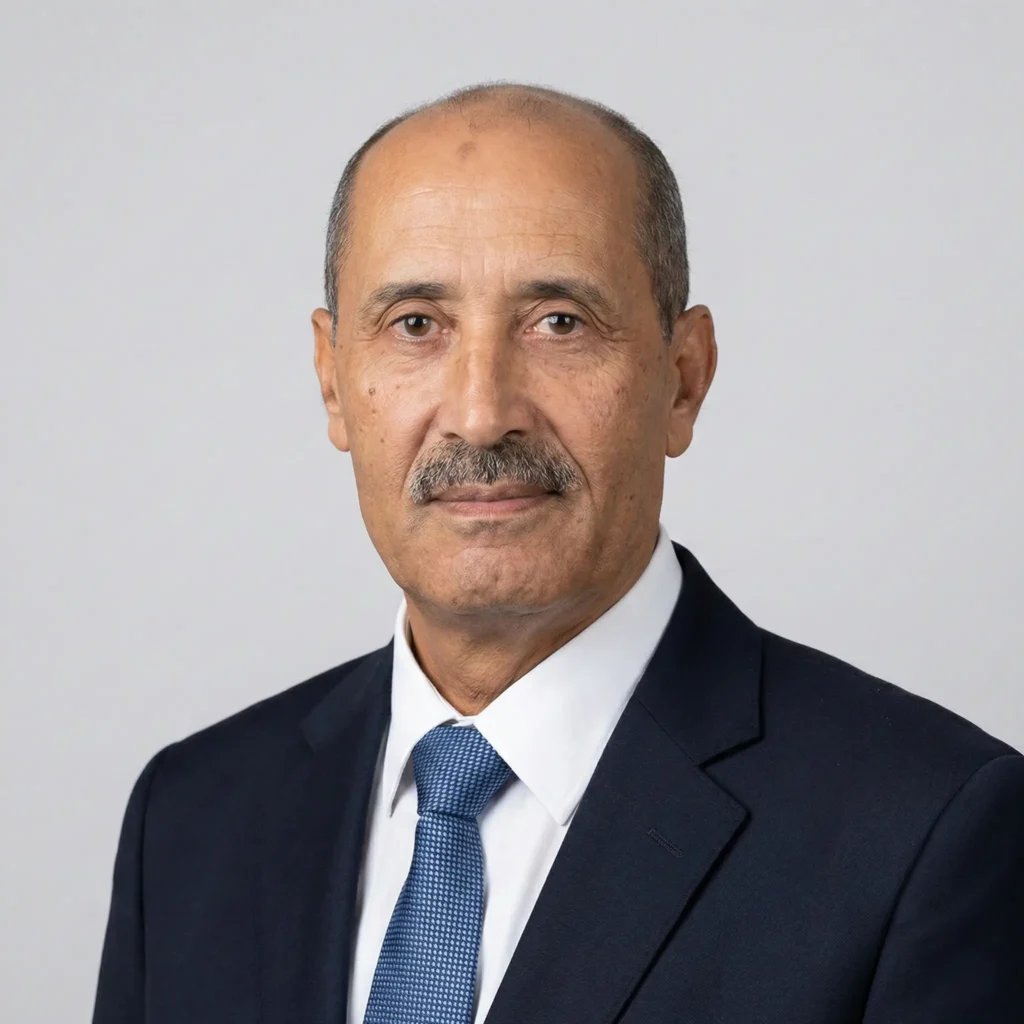
Prof. Mongi Sghaier
Prof. Mongi Sghaier holds a Doctorate in Natural Resources and Environmental Economics from Ghent University, Belgium. He has built extensive experience over nearly forty years at the Institute of Arid Regions, Médenine, Tunisia, working in the “Economy and Rural Societies in Arid and Desert Areas” (LESOR) laboratory and the Directorate for Valorization of Research Outcomes. His work focuses on scientific research for the development of arid regions and the governance of natural resources, through numerous national, regional, and international projects. He has published extensively in national and international journals and edited several scientific books. He currently serves as an independent expert in agricultural and territorial development.
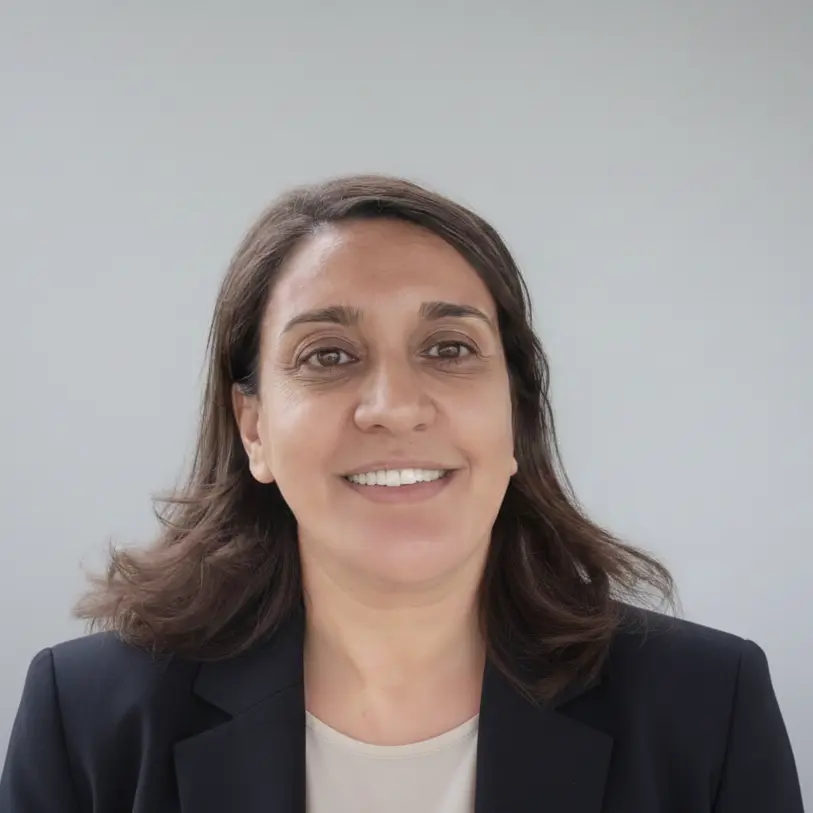
Prof. Olfa Zarrouk
Dr. Olfa Zarrouk is a plant ecophysiologist specialising in plant water relations, water management, and the eco-physiological responses of perennial crops, particularly grapevine, fruit trees and selected forest species. Her research focuses on drought resilience, hydraulic traits, stomatal regulation, aquaporin functioning, and source–sink dynamics under Mediterranean climate conditions. She has over 15 years of international research experience across Portugal, Spain, Italy and Tunisia, integrating whole-plant physiology, rootstock–scion interactions and fruit development.
She has participated and coordinated several national and European research initiatives, contributed to international scientific networks, and collaborated with European and Mediterranean partners to strengthen climate-smart viticulture and fruit-tree production. Dr. Zarrouk also works closely with growers, cooperatives and agri-tech companies to translate scientific advances into practical solutions for vineyard and orchard management.
At the School of Agriculture of Santarém, she teaches Viticulture, Olive Growing, Fruit Production and Plant Physiology, and supervises undergraduate and postgraduate students. Her current work includes developing innovative approaches for regulated deficit irrigation, drought memory mechanisms, and the optimisation of water-use efficiency in Mediterranean perennial crops.